500+ Five-Star Patient Reviews

    Sports Massage in Plymouth

    Start fixing your aches and pains this week.

    £48 per sessionNo referral needed500+ five-star reviewsQualified therapists & physios

    Appointments available within 7 days!Including evenings and weekends.

    Your first session

    1

    Assessment: We find what's causing your pain

    2

    Massage: Deep, targeted work on the areas that need it

    3

    Plan: Set from day 1 to maximise the benefits from your session

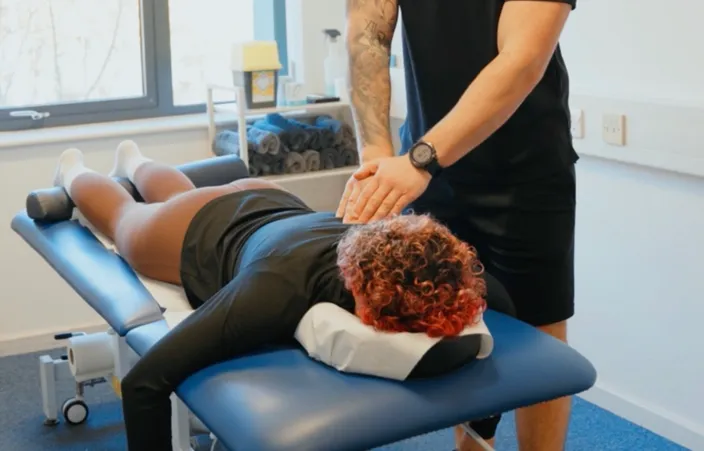
    Sports Massage treatment at KS Sports Therapy Plymouth

    What Is Sports Massage?

    Sports massage is one of the most effective and versatile hands-on treatments available for musculoskeletal pain and injury — but despite the name, it's not just for athletes.

    The vast majority of our patients who benefit from sports massage are people dealing with everyday pain, tension and stiffness caused by work, posture, stress or a less-than-active lifestyle. If you're in pain, it doesn't matter whether you ran a marathon last weekend or haven't exercised in years.

    At KS Sports Therapy in Plymouth, sports massage is used as a targeted clinical tool — always as part of a broader assessment and treatment plan, never in isolation. We find out what's driving your pain first, then treat it properly.

    What It Involves

    Sports massage uses a range of hands-on techniques — including deep tissue work, myofascial release, trigger point therapy and assisted stretching — to reduce muscle tension, improve tissue quality, restore movement and reduce pain. The pressure and technique used will always be adapted to you, your condition and your goals. We'll explain what we're doing and why, and adjust based on how your body responds.

    What It Helps With

    Muscle tightness, tension and trigger points causing local or referred pain
    Recovery from training, sport or physical work
    Lower back, neck and shoulder pain with a muscular component
    Reducing tension that is contributing to headaches
    Improving range of movement before or after exercise
    General maintenance for those who train regularly or have physically demanding jobs

    Sound familiar?
    You don't have to put up with it.

    Book in today so we can find & release what's actually causing your aches & tension.

    Book Expert Sports Massage

    What to Expect in Your Session

    Assess

    Treat

    Recover

    Your first sports massage appointment will begin with a brief assessment to make sure we're targeting the right areas. Sessions typically run for 30 to 60 minutes depending on what's needed. You may experience some tenderness during treatment, particularly over areas of significant tension or active trigger points — this is normal and should feel productive rather than unpleasant. Many patients feel noticeably looser and more comfortable by the end of the session, and any temporary post-treatment soreness usually settles within 24 to 48 hours.

    Is This Treatment Right for Me?

    Sports massage is suitable for almost anyone experiencing muscle tension, pain or restricted movement — whether you're a regular gym-goer, a runner, someone who sits at a desk all day, or someone who hasn't exercised in years. If you're not sure whether sports massage is the right treatment for your specific problem, our assessment process will help clarify the best approach for you.

    Frequently Asked Questions

    Do I need to be an athlete to have a sports massage?

    No. Despite the name, sports massage isn't just for athletes. It's suitable for anyone experiencing muscle tension, stiffness or aches, whether they're caused by exercise, desk work, driving, manual work or the general demands of everyday life.

    Sports massage uses a range of hands-on techniques to target tight muscles and soft tissues. Your treatment is tailored to your body, your symptoms and your goals, whether that's recovering after training, easing tension or simply moving more comfortably.

    What's the difference between a sports massage and a deep tissue massage?

    The two are very similar and the terms are often used interchangeably. The main difference is the purpose of the treatment.

    Deep tissue massage usually refers to using firmer pressure to work into deeper layers of muscle. Sports massage is more goal-focused, using a variety of techniques to address a specific problem such as muscle tightness, restricted movement or post-exercise recovery.

    Every sports massage at our clinic begins with a brief assessment so we can tailor the treatment, pressure and techniques to what your body actually needs.

    If you're unsure which treatment is right for you, don't worry — we'll assess your symptoms first and recommend the approach that's most likely to help, whether that's sports massage, physiotherapy or a combination of both.

    Does sports massage hurt?

    Sports massage can feel intense over tight or sensitive muscles, but it shouldn't be unbearably painful. Most people describe it as a "good hurt" — strong enough to feel like it's working, but still comfortable enough that they can stay relaxed.

    Your therapist will regularly check how the pressure feels and adjust it throughout the session. It's never a treatment that you should have to grit your teeth through.

    Some mild soreness afterwards is quite common, particularly after your first session or if you've had treatment on very tight muscles. It often feels similar to muscle soreness after exercise and usually settles within 24 to 48 hours, although if you've had longstanding muscle tension or a more intensive treatment it can occasionally last a little longer. If the soreness is severe, continues to worsen, or hasn't started to improve after several days, let us know.

    How often should you get a sports massage?

    That depends on your goals. If you're coming in because of a recent muscle problem or significant tension, you may benefit from a few treatments closer together before spacing them further apart as your symptoms improve.

    If you're using sports massage alongside regular exercise or a physically demanding job, many people choose to come every three to six weeks. There isn't a schedule that's right for everyone, so we'll recommend a treatment plan based on your individual needs rather than asking you to come more often than necessary.

    What should I wear to a sports massage?

    Wear whatever you'd like — you can even come straight from work in your work clothes. We provide clean vest tops and shorts to change into if needed, and your therapist will always leave the room so you can get changed in privacy.

    Depending on the area being treated, your therapist may ask you to remove some clothing — for example, removing your top if we're treating your back or shoulders. We'll always work within your comfort levels, and you'll never be asked to remove more than is needed for the treatment.

    Can sports massage help with tension headaches?

    When headaches are being driven by tension in the muscles of the neck, shoulders and upper back, sports massage can be a useful part of treatment.

    In our clinical experience, people with tension-related headaches often notice fewer or less severe headaches as muscle tension improves, particularly when massage is combined with exercises, posture advice and lifestyle changes. Some people with migraines also tell us that reducing muscle tension around the neck and shoulders helps them manage their symptoms, although the scientific evidence for massage in migraine is less clear.

    Headaches are complex, and not all are caused by muscle tension. If your headaches are new, severe, becoming more frequent, or are associated with symptoms such as changes in vision, weakness, dizziness, confusion or other neurological symptoms, you should seek medical assessment before considering massage.

    When should I NOT have a sports massage?

    Although sports massage is safe for most people, there are some situations where treatment should be delayed or modified.

    You should avoid sports massage if you have:

    • A fever or feel generally unwell.
    • A recent injury with significant swelling or a suspected fracture.
    • An active skin infection, open wound or contagious skin condition over the treatment area.
    • A suspected blood clot, such as a hot, swollen, painful calf. This requires urgent medical assessment rather than massage.

    If you're pregnant, taking blood-thinning medication, have recently had surgery, or have a medical condition you're unsure about, let us know before your appointment. In many cases, treatment can still be provided safely with appropriate modifications.

    How is sports massage different from physiotherapy?

    Sports massage focuses on hands-on treatment of muscles and other soft tissues to help reduce tension, improve comfort and support movement.

    Physiotherapy is a broader healthcare profession that includes assessment, diagnosis, rehabilitation, exercise prescription and, where appropriate, hands-on treatment.

    The two approaches work well together — in fact, many physiotherapy sessions include sports massage techniques as part of the treatment. If your assessment suggests that massage alone isn't likely to address the underlying cause of your symptoms, we'll explain why and recommend the treatment approach that's most appropriate for you.

    Ready to Get Started?

    Book your appointment today or explore all the treatments we offer.